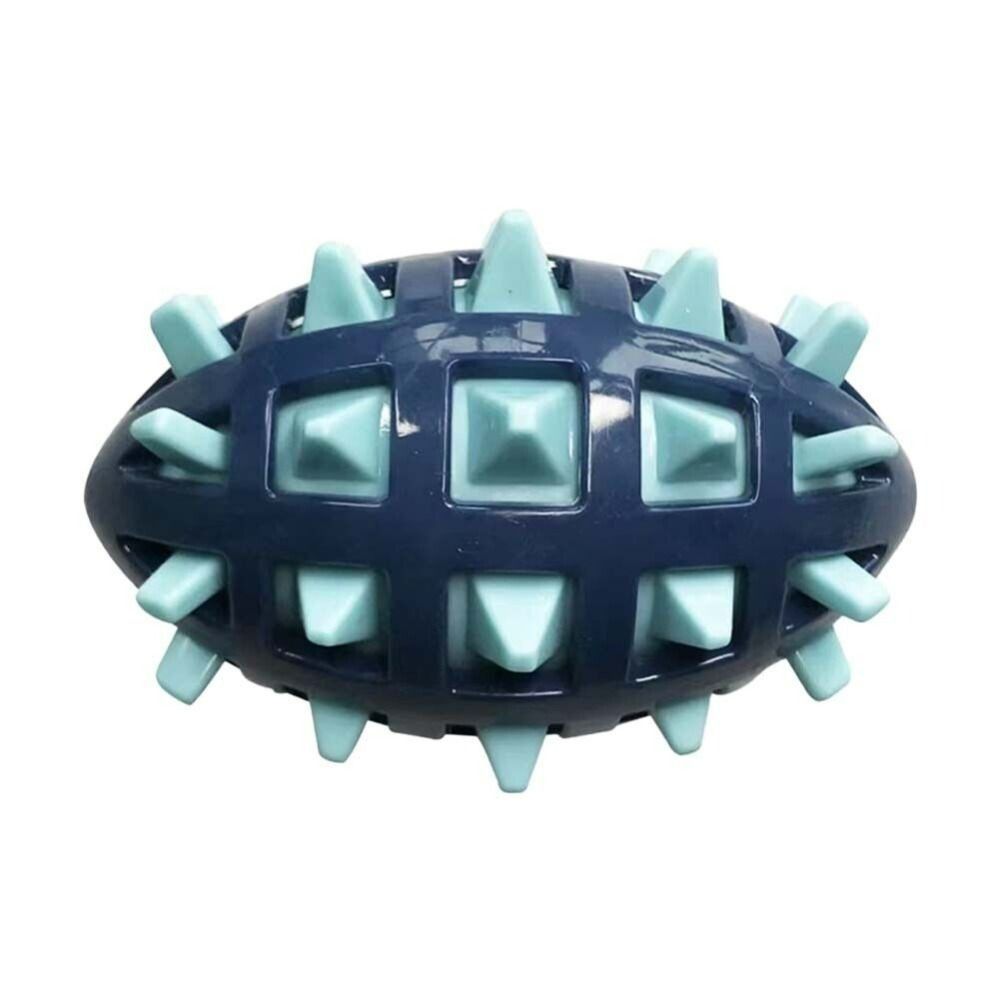
A toy that lasts 20 minutes in your dog’s mouth is not a chew toy. It’s a bill. If you’ve gone through a pile of split plush toys, shredded ropes, and rubber pieces on the floor, finding the best chew toys for aggressive chewers comes down to one thing - matching the toy to your dog’s chewing style, size, and habits.
Some dogs are busy nibblers. Others treat every toy like a challenge. For strong chewers, the wrong toy is frustrating, messy, and sometimes unsafe. The right one gives your dog an outlet, helps reduce boredom, and can save your furniture from becoming the next target.
## What makes a toy good for a power chewer?
Durability matters, but harder is not always better. A toy that is too soft gets destroyed fast. A toy that is too hard can be rough on teeth, especially for dogs that clamp down with serious force. The sweet spot is a material with some give, solid construction, and a size your dog cannot easily fit all the way into the back of the mouth.
Shape matters too. Thick rings, solid bones, dense rubber sticks, and refillable chew toys usually hold up better than thin edges or soft seams. If a toy has glued parts, squeakers, fabric covers, or decorative extras, those are usually the first things an aggressive chewer removes.
The best choice also depends on why your dog chews. Some dogs want a long-lasting challenge. Some want a bounce-and-chomp toy for active play. Others settle better when they have a treat toy that keeps them busy. A toy can be durable and still be a poor fit if it does not match how your dog likes to engage.
## Best chew toys for aggressive chewers by type
### Solid natural rubber toys
Dense rubber is the first place most owners should start. Good rubber chew toys have enough flex to reduce the risk of cracking teeth while still standing up to repeated bites. They work especially well for medium and large dogs that like to gnaw, carry, and chase the same toy.
Look for thick-walled rubber toys with a simple shape. Hollow toys can be great if they are built for stuffing and made from durable material, but very thin rubber collapses fast under heavy chewing. Rubber also has the advantage of being easy to rinse clean, which makes it practical for everyday use.
This category is often the most versatile because one toy can do more than one job. It can be used for solo chewing, treat stuffing, or short fetch sessions in the yard. If you want one durable starting point, rubber is usually it.
### Nylon chew toys
Nylon toys are popular with aggressive chewers because they last a long time and come in shapes dogs enjoy, like bones, sticks, and textured bars. They are especially useful for dogs that want a firm, satisfying surface to scrape and gnaw.
The trade-off is firmness. Nylon can be too hard for some dogs, especially relentless chewers who bite down with full force instead of gradually wearing the toy down. If your dog is leaving deep grooves quickly or tries to break chunks off, move on to something with more give. These toys can work very well, but they need supervision and regular inspection.
### Treat-dispensing chew toys
For dogs that destroy toys out of boredom, a treat toy often lasts longer because it changes the goal. Instead of ripping the toy apart, the dog works to get the reward inside. That mental effort can be just as valuable as the chewing itself.
Choose a treat toy made specifically for strong chewers, not a soft puzzle toy meant for light play. Durable treat toys are ideal for crate time, rainy afternoons, or that stretch before dinner when your dog tends to get restless. They also help spread out activity over time, which can reduce nonstop chewing on household items.
### Heavy-duty rope alternatives
Traditional rope toys can be hit or miss. Some aggressive chewers love them, but frayed strands can become a problem if swallowed. If your dog shreds rope quickly, it may be better to switch to a rubber tug toy or a reinforced chew ring that gives the same grab-and-pull feel without loose fibers.
If you do choose rope, use it mainly for interactive play rather than unsupervised chewing. For many strong chewers, rope is better as a game toy than an all-day chew toy.
### Tough balls and chew rings
Some dogs are less interested in bones and more interested in carrying, biting, and pinning toys with their paws. For those dogs, heavy-duty balls and rings can be a better investment. They stand up well to repeated chomping and are easy to use indoors or outside.
Balls should be solid or very thick, and always large enough that they cannot be swallowed. Rings are useful because they give dogs multiple angles to grip, which keeps them engaged longer. If your dog likes movement and chewing in the same session, this type is worth considering.
## How to choose the right size and material
The fastest way to waste money is buying a durable toy in the wrong size. A toy that is too small becomes a safety risk. A toy that is too large may not interest your dog at all. Most brands give weight ranges, and those are a good starting point, but chewing intensity matters just as much as body weight.
A compact, muscular dog may need a larger, tougher toy than a bigger dog with gentler habits. Senior dogs may still chew often but need something kinder on aging teeth. Puppies in the teething stage are a different case entirely and should not automatically be given the hardest toy on the shelf.
Material choice comes down to balance. Rubber is usually the best all-around option. Nylon suits dogs that want a firm chew but requires closer monitoring. Natural materials can be appealing, but consistency varies. Plush is generally a poor choice for aggressive chewers unless it is used only for supervised fetch and not left behind for chewing.
## Signs a chew toy is not the right fit
A toy can be marketed as tough and still be wrong for your dog. If pieces are coming off in a short session, retire it. If your dog ignores the toy completely, it may be the wrong texture or shape. If your dog is trying to crush it instead of chew it, the material may be too rigid or simply not enjoyable.
Watch how your dog uses the toy during the first few sessions. Good chew toys create steady engagement. Bad matches tend to lead to fast destruction, frustration, or total disinterest. That early testing period tells you more than the label ever will.
## Safety matters more than durability claims
No chew toy is truly indestructible. That word gets used a lot, but every toy has a lifespan, especially with determined chewers. The goal is not to find something impossible to damage. The goal is to find a safer, longer-lasting option that suits your dog’s habits.
Inspect toys often for cracks, sharp edges, missing chunks, and worn-down ends. Wash them regularly so buildup does not collect in grooves or hollow centers. Rotate a few different styles instead of leaving one toy out until it fails. Rotation helps maintain interest and spreads out wear.
It also helps to separate play toys from chew toys. A fetch ball is not always built for sustained chewing. A chew bone may not bounce well enough for active play. When each toy has a clear purpose, it usually lasts longer.
## What shoppers should look for before buying
When comparing options, skip the flashy packaging and focus on build quality. Thick material, simple construction, size clarity, and chew-style recommendations are more useful than broad claims. Product descriptions should tell you who the toy is for, not just say it is tough.
This is also where shopping convenience matters. If you are testing a new style or replacing a toy your dog loved, it helps to buy from a store that makes the process easy. A well-curated selection, clear product details, secure checkout, fast delivery, and [easy returns](https://www.petsifyshop.com/shipping-returns) remove a lot of guesswork. That is especially useful when you are buying for a strong chewer because trial and error is part of the process.
For many households, the best approach is to keep two or three dependable options on hand: one rubber chew toy, one treat-dispensing toy, and one active-play toy like a ring or ball. That gives your dog variety without overcomplicating the routine.
## The best chew toys for aggressive chewers are the ones your dog actually uses
There is no single perfect chew toy for every power chewer. A heavy jaw, a fast attention span, or a love of treat work can all change what “best” means. Start with durable materials, choose the right size, and pay attention to how your dog chews, not just what the label promises.
A toy that lasts longer, keeps your dog engaged, and feels safe to use is the one worth reordering. When you find that fit, daily chew time gets easier on your dog, your home, and your budget.
A toy that lasts 20 minutes in your dog’s mouth is not a chew toy. It’s a bill. If you’ve gone through a pile of split plush toys, shredded ropes, and rubber pieces on the floor, finding the best chew toys for aggressive chewers comes down to one thing - matching the toy to your dog’s chewing style, size, and habits.
Some dogs are busy nibblers. Others treat every toy like a challenge. For strong chewers, the wrong toy is frustrating, messy, and sometimes unsafe. The right one gives your dog an outlet, helps reduce boredom, and can save your furniture from becoming the next target.
## What makes a toy good for a power chewer?
Durability matters, but harder is not always better. A toy that is too soft gets destroyed fast. A toy that is too hard can be rough on teeth, especially for dogs that clamp down with serious force. The sweet spot is a material with some give, solid construction, and a size your dog cannot easily fit all the way into the back of the mouth.
Shape matters too. Thick rings, solid bones, dense rubber sticks, and refillable chew toys usually hold up better than thin edges or soft seams. If a toy has glued parts, squeakers, fabric covers, or decorative extras, those are usually the first things an aggressive chewer removes.
The best choice also depends on why your dog chews. Some dogs want a long-lasting challenge. Some want a bounce-and-chomp toy for active play. Others settle better when they have a treat toy that keeps them busy. A toy can be durable and still be a poor fit if it does not match how your dog likes to engage.
## Best chew toys for aggressive chewers by type
### Solid natural rubber toys
Dense rubber is the first place most owners should start. Good rubber chew toys have enough flex to reduce the risk of cracking teeth while still standing up to repeated bites. They work especially well for medium and large dogs that like to gnaw, carry, and chase the same toy.
Look for thick-walled rubber toys with a simple shape. Hollow toys can be great if they are built for stuffing and made from durable material, but very thin rubber collapses fast under heavy chewing. Rubber also has the advantage of being easy to rinse clean, which makes it practical for everyday use.
This category is often the most versatile because one toy can do more than one job. It can be used for solo chewing, treat stuffing, or short fetch sessions in the yard. If you want one durable starting point, rubber is usually it.
### Nylon chew toys
Nylon toys are popular with aggressive chewers because they last a long time and come in shapes dogs enjoy, like bones, sticks, and textured bars. They are especially useful for dogs that want a firm, satisfying surface to scrape and gnaw.
The trade-off is firmness. Nylon can be too hard for some dogs, especially relentless chewers who bite down with full force instead of gradually wearing the toy down. If your dog is leaving deep grooves quickly or tries to break chunks off, move on to something with more give. These toys can work very well, but they need supervision and regular inspection.
### Treat-dispensing chew toys
For dogs that destroy toys out of boredom, a treat toy often lasts longer because it changes the goal. Instead of ripping the toy apart, the dog works to get the reward inside. That mental effort can be just as valuable as the chewing itself.
Choose a treat toy made specifically for strong chewers, not a soft puzzle toy meant for light play. Durable treat toys are ideal for crate time, rainy afternoons, or that stretch before dinner when your dog tends to get restless. They also help spread out activity over time, which can reduce nonstop chewing on household items.
### Heavy-duty rope alternatives
Traditional rope toys can be hit or miss. Some aggressive chewers love them, but frayed strands can become a problem if swallowed. If your dog shreds rope quickly, it may be better to switch to a rubber tug toy or a reinforced chew ring that gives the same grab-and-pull feel without loose fibers.
If you do choose rope, use it mainly for interactive play rather than unsupervised chewing. For many strong chewers, rope is better as a game toy than an all-day chew toy.
### Tough balls and chew rings
Some dogs are less interested in bones and more interested in carrying, biting, and pinning toys with their paws. For those dogs, heavy-duty balls and rings can be a better investment. They stand up well to repeated chomping and are easy to use indoors or outside.
Balls should be solid or very thick, and always large enough that they cannot be swallowed. Rings are useful because they give dogs multiple angles to grip, which keeps them engaged longer. If your dog likes movement and chewing in the same session, this type is worth considering.
## How to choose the right size and material
The fastest way to waste money is buying a durable toy in the wrong size. A toy that is too small becomes a safety risk. A toy that is too large may not interest your dog at all. Most brands give weight ranges, and those are a good starting point, but chewing intensity matters just as much as body weight.
A compact, muscular dog may need a larger, tougher toy than a bigger dog with gentler habits. Senior dogs may still chew often but need something kinder on aging teeth. Puppies in the teething stage are a different case entirely and should not automatically be given the hardest toy on the shelf.
Material choice comes down to balance. Rubber is usually the best all-around option. Nylon suits dogs that want a firm chew but requires closer monitoring. Natural materials can be appealing, but consistency varies. Plush is generally a poor choice for aggressive chewers unless it is used only for supervised fetch and not left behind for chewing.
## Signs a chew toy is not the right fit
A toy can be marketed as tough and still be wrong for your dog. If pieces are coming off in a short session, retire it. If your dog ignores the toy completely, it may be the wrong texture or shape. If your dog is trying to crush it instead of chew it, the material may be too rigid or simply not enjoyable.
Watch how your dog uses the toy during the first few sessions. Good chew toys create steady engagement. Bad matches tend to lead to fast destruction, frustration, or total disinterest. That early testing period tells you more than the label ever will.
## Safety matters more than durability claims
No chew toy is truly indestructible. That word gets used a lot, but every toy has a lifespan, especially with determined chewers. The goal is not to find something impossible to damage. The goal is to find a safer, longer-lasting option that suits your dog’s habits.
Inspect toys often for cracks, sharp edges, missing chunks, and worn-down ends. Wash them regularly so buildup does not collect in grooves or hollow centers. Rotate a few different styles instead of leaving one toy out until it fails. Rotation helps maintain interest and spreads out wear.
It also helps to separate play toys from chew toys. A fetch ball is not always built for sustained chewing. A chew bone may not bounce well enough for active play. When each toy has a clear purpose, it usually lasts longer.
## What shoppers should look for before buying
When comparing options, skip the flashy packaging and focus on build quality. Thick material, simple construction, size clarity, and chew-style recommendations are more useful than broad claims. Product descriptions should tell you who the toy is for, not just say it is tough.
This is also where shopping convenience matters. If you are testing a new style or replacing a toy your dog loved, it helps to buy from a store that makes the process easy. A well-curated selection, clear product details, secure checkout, fast delivery, and [easy returns](https://www.petsifyshop.com/shipping-returns) remove a lot of guesswork. That is especially useful when you are buying for a strong chewer because trial and error is part of the process.
For many households, the best approach is to keep two or three dependable options on hand: one rubber chew toy, one treat-dispensing toy, and one active-play toy like a ring or ball. That gives your dog variety without overcomplicating the routine.
## The best chew toys for aggressive chewers are the ones your dog actually uses
There is no single perfect chew toy for every power chewer. A heavy jaw, a fast attention span, or a love of treat work can all change what “best” means. Start with durable materials, choose the right size, and pay attention to how your dog chews, not just what the label promises.
A toy that lasts longer, keeps your dog engaged, and feels safe to use is the one worth reordering. When you find that fit, daily chew time gets easier on your dog, your home, and your budget.